General pest treatment
Skirtings, cupboards, wet areas and the roof void where it's safe to enter, plus a treated band around the outside. The yearly reset most homes book once.
One technician from inspection to report. A fixed quote agreed before we start, no call-out fee, and a written record of what was used and where. Homes, units and businesses across the City of Ryde.
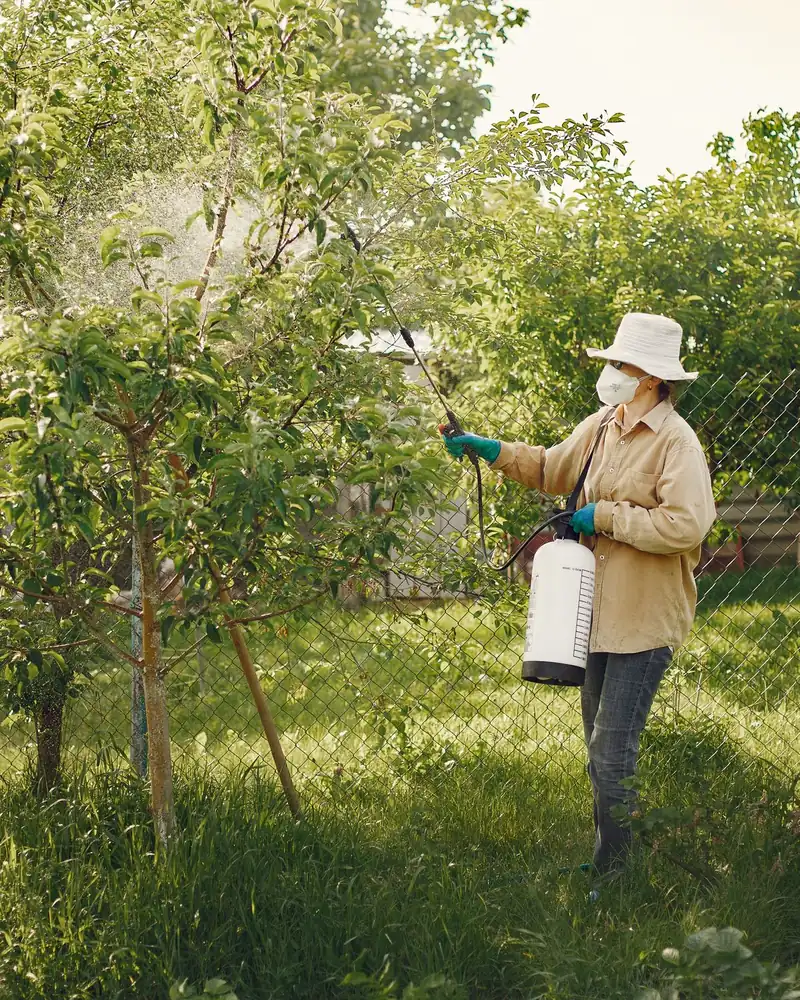
On the tools A technician at work in a Ryde backyard — the same person inspects, treats and writes the report.
No call-out fee. No obligation. We reply the same business day, usually within a couple of hours.
Every job starts with an inspection and ends with a written report. The list below is the whole scope — there's no upsell sheet waiting in the van.
Skirtings, cupboards, wet areas and the roof void where it's safe to enter, plus a treated band around the outside. The yearly reset most homes book once.
Bait placed at the harbourage — appliance voids, hinges, service shafts — then a follow-up to confirm the colony has taken it.
Runway mapping, locked stations, then the gap sealing that stops the next generation moving in behind the first.
Paper wasps treated at dusk, when the colony is home. Honey bee swarms are referred to a local apiarist for live relocation.
A one-way door at the entry, every roof gap sealed, and a second visit to check the animal has gone.
Reports formatted for agents and auditors, scheduled around inspection dates, service hours and loading docks.
Possums, rats and birds in roof voids, subfloors and wall cavities — located, removed and the area treated.
Every job is quoted after inspection — no call-out fee, no obligation, and the follow-up window is included.
Request a quoteA small Ryde team, not a franchise map.
One in five call-outs we attend is a problem someone has already sprayed. The fix is usually the same: find where the pest is living, treat that, then close the way in. That is the visit — not a perimeter spray and an invoice.
We work the same streets every week. Federation weatherboards in Denistone, walk-ups off Victoria Road, new towers at Meadowbank — each one fails in a different place, and a treatment that ignores the building is just spraying.
We're a small Ryde business, not a call centre that sends whoever is closest. The technician who inspects your roof is the one who treats it and the one whose name is on the report.
If the answer is a repair, a conversation with strata or a different trade, we'll say so and put it in writing. No add-ons, and no annual plan you didn't ask for.
Species, activity and entry points. Roof void, wet areas and garden edge are checked before anything is quoted.
Gel bait at the harbourage, stations on the runway, proofing at the gap — chosen for the pest, not the aisle.
Re-entry times, pet and fish advice, and what to move before we start. Confirmed on site and left with you.
What was used, where it went and the follow-up window. The same document an agent or auditor asks for.
Most call-outs trace back to one of these. We inspect them in order, because treating the symptom without the entry point is how pests come back.
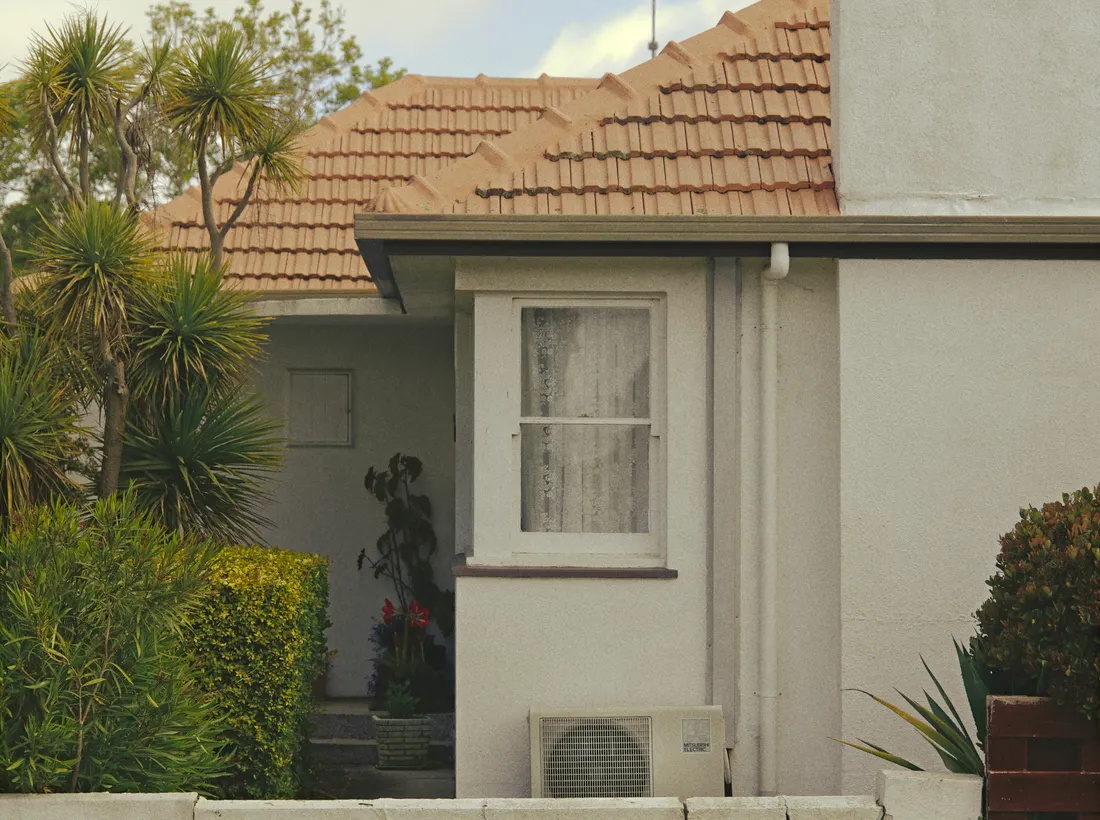
Rooflines, gardens and the gaps between them — the parts of a Ryde property that decide how a treatment holds.
Rodent runs, possum entries and paper wasp nests. We check the manhole, fascia and eaves before anything is sprayed, because the roof is where a lot of Ryde problems actually live.
Dishwasher, oven and fridge cavities are where German cockroaches harbour. Gel bait goes at the hinge line and motor housing, not across the tiles.
Leaks and trapped moisture feed silverfish, cockroaches and ants. We check the vanity, floor waste and laundry tub, and flag the leak that is keeping them there.
Ant trails and spider egg sacs sit behind the skirting and under the cupboard liner. We follow the line back to the nest rather than treating the trail itself.
Ant nests, rodent runways and redback harbourage. The first metre around the building matters more than the lawn, and it is the part most spray-and-go visits skip.
Warm, dry and undisturbed. These are the spots people forget, and the ones we look in on every visit — including the letterbox where redbacks like to sit.
Knowing the species decides the method. An ant trail and a cockroach colony can look like the same problem on a Saturday morning; they need opposite treatments.
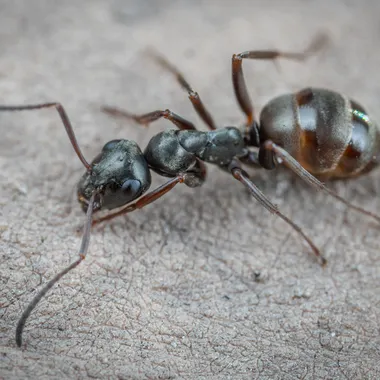 Peak Oct–Mar
A trail is a symptom, not the colony. Until the nest behind the skirting or under the slab is baited, the line simply reroutes around the bait.
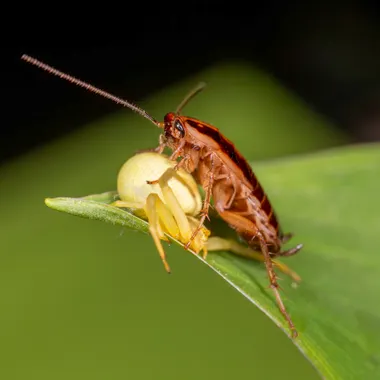 Peak Dec–Mar
Warm motor housings, dishwasher cavities, the dead space behind a wall oven. Spraying the tiles misses all three; bait has to go where they shelter.
 Peak Mar–Apr, Oct–Nov
A redback does not wander far. It picks a dry corner — letterbox, shed, the underside of a trampoline — and stays there. Those are the places checked first.
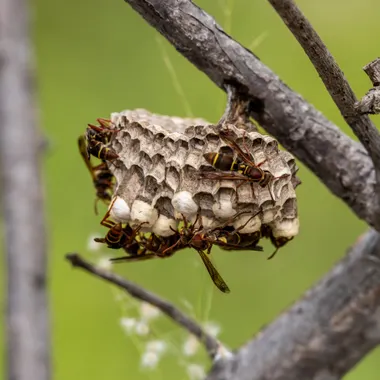 Peak Oct–Mar
The nest starts small in September and is defended by January. Treating at dusk, with the colony settled, is the difference between a job and an incident.
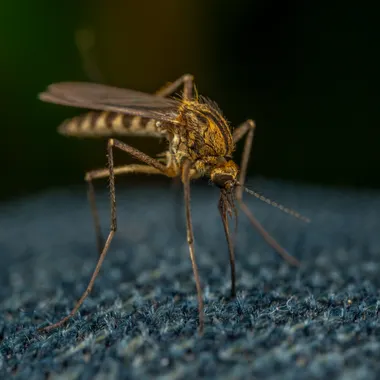 Peak Nov–Feb
Breeds in any still water that lasts four days. Source control beats spraying every time — and costs nothing. Check saucers, gutters and the dog's bowl.
 Peak Apr–Jul
Fence lines and power cables are the highway; the ceiling is the destination. Bait clears the current animal, but the gap it used stays open unless someone seals it.
 Peak Apr–Aug
A pencil-width opening is a doorway at this scale. Traps catch the ones already indoors; closing the opening stops the next dozen arriving.
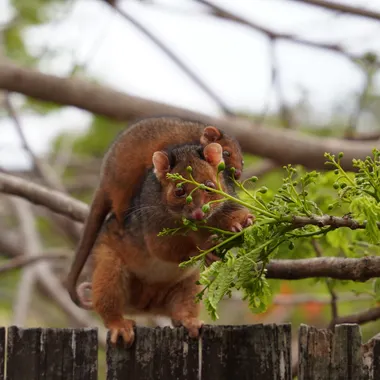 Year-round
A protected animal with a heavy tread and a good memory for roof cavities. One-way door out, then seal the gaps, or it will come back the same way.
We don't publish a rate card, because two Ryde homes with the same pest can need different work. Tell us what you've seen and we'll inspect, then quote the whole job in writing — visit, follow-up and report included.
The inspection and the written quote cost nothing. If you decide not to proceed, you owe nothing for the visit.
Request a quote Or call 0488 111 111Nothing is decided on the doorstep. The scope, the quote and the paperwork are settled before anything is applied.
0488 111 111Suburb, what you've seen or heard, and whether it's indoors. Two minutes on the phone or through the form.
Loft, wet areas, garden edge. We record the species and, more importantly, where it got in.
One figure covering the visit, the return window and the paperwork. It doesn't move because we found the nest.
Species, products, placements, re-entry times and the follow-up window — left with you, not filed away.
Cafés, warehouses, offices and strata blocks. Visits are scheduled around opening hours, every station is logged, and the file we leave is the one an auditor asks for.
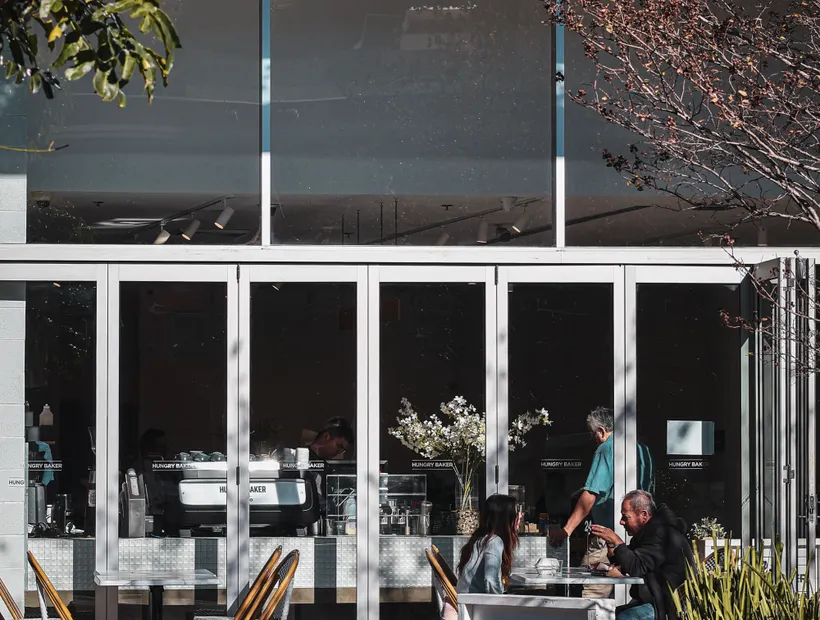
"No call centre, no rotating subcontractors, and no maintenance plan you didn't ask for."
The FreshCo team, Ryde
We work the same streets every week, so we know the housing stock and who to call when a job needs a different trade.
The same technician inspects, treats and writes the report wherever the schedule allows. You get a name, not a job number.
If one visit solves it, we quote one visit and say so in plain English. Monitoring is for buildings that actually need monitoring.
A short run keeps response times honest. These are the places we're in most weeks — not a radius drawn wide to look larger than the business is.
Outside the list? Tell us where you are and we'll say straight away if it fits our run.
Answered here so you can decide before you call. If your question isn't listed, ring the line — a technician answers, not a script.
Most jobs are booked within the same week. Wasps beside a door, rodents in a kitchen and anything involving a small child or a pet go on the urgent list, which usually means the same or next day.
Once the inspection is done, yes. Labour, materials, any return visit inside the window and the written report are all inside that figure. If we find a second problem — say a possum in the roof as well as rats — we stop and quote again before touching it.
For most internal work, two to three hours. The wait depends on what is being applied and which room it is in, so the technician gives you an exact time before starting — and writes it on the report.
Tell us at booking and we'll choose the product and placement accordingly. Fish tanks always need covering and pumps off. Birds and reptiles are sensitive to sprays, so we often switch to baits and physical proofing instead.
No. Termite work needs a different specialist ticket, so we refer it out. If we see termite activity during a visit we stop, show you what we found and point you to a specialist.
Yes. We can arrange access, work around inspection dates and send the report straight to the property manager. Renters don't need to be home for an external treatment, and we can invoice the agency where that has been agreed.
Inside the follow-up window printed on your report, we return at no charge. It runs 14 days on a single treatment and longer on a scheduled commercial program, and it covers the pests named on the report.
No. The inspection, the quote and the travel are part of the job. If you decide not to proceed after the quote, you owe nothing for the visit.
Ring the line or send the form. We'll confirm a time, agree the quote before we start, and leave a written report when the job is done.
Seven days · 7am–7pm · Ryde 2112A suburb, the pest if you know it, and whether it's indoors. That's usually enough to book the right technician with the right kit.
No obligation. We reply the same business day, usually within a couple of hours.